




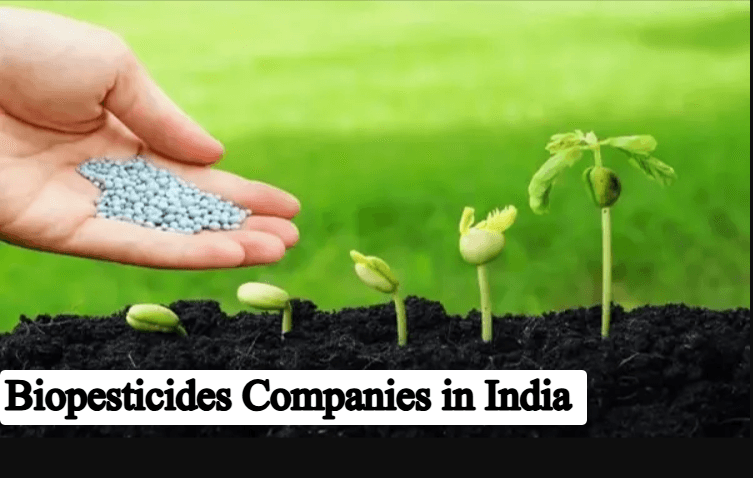
This is the scene that is Indian agriculture is experiencing massive changes. In 2026, the shift away from intensive chemical farming to organic, sustainable practices is no longer merely an idea, but a top priority for the nation. In the middle of this shift is biopesticides companies in India. They are replacing toxic synthetic chemicals with natural alternatives and ensuring the safety of food for billions of people while also preserving the soil’s fertility.
It is believed that the Indian pesticide market is among the most rapidly growing segments of the world’s agricultural industry and is expected to grow to the value of $1.5 billion at the end of the decade. No matter if you’re a progressive farmer, an agritech investment or an affluent consumer, knowing the underlying forces behind the growth of this “Green Chemical Revolution” is vital.
What are Biopesticides and Why is India Leading?
Biopesticides are specific types of pesticides that are derived from natural materials like bacteria, plants, animals and some minerals. In contrast to conventional pesticides they are not as harmful, and are often targeted at particular pests while making beneficial insects such as butterflies and bees unharmed.
- Microbiological Pesticides Made up of microorganisms (e.g. the bacteria, fungus or virus or protozoan) as an active ingredient.
- Botanical Pesticides: Naturally occurring chemicals that are derived of the plants (e.g., Neem, Pyrethrum).
- Biochemical Pesticides naturally occurring compounds that kill pests through non-toxic means (e.g. insects pheromones).
Top Biopesticides Companies in India (2026 Ranking)
India hosts a variety of international leaders and companies that have pioneered manufacturing of high-quality natural pest-control agents. Here are the leaders in the field who will be dominating the market by 2026.
1. UPL Limited (Nurture.farm)
UPL is a global leader in agricultural solutions, and its focus on “OpenAg” has helped make it an industry leader on the biopesticides industry. Through its digital platform Nurture.farm, UPL is promoting the use of biologicals at a grass-roots and the local level.
- Main Strengths: Massive R&D investment in bio-fungicides and bio-insecticides.
- 2026’s In Focus: Growing “Pronutiva” programmes that combine traditional crop protection methods with the latest biologicals.
2. IPL Biologicals Limited (Formerly International Panaacea Ltd)
With more than 30 years of expertise, IPL Biologicals is one of the most extensive varieties of biopesticides based on microbial sources worldwide. Their cutting-edge R&D centre is the center for the isolation of indigenous microbial strains.
- Strengths Core: Specialized in bio-fertilizers and bio-pesticides which target pathogens that are borne in soil.
- Principal Products: Popular brands like Bavistin-G and specific fungal formulas.
3. T. Stanes and Company Limited
The pioneering company in the Indian organic market, T. Stanes has been producing biological products long before it became “fashionable.” With its headquarters in Coimbatore They are an established name in pure botanical extracts.
- The Core Strength Know-how on the formulations that are based upon Neem along with the use of Nematocides.
- global reach: The company exports to many countries across Europe in addition to Southeast Asia, adhering to strict organic standards set by the international community.
4. Bayer CropScience India
As a world-class life sciences giant, Bayer has dramatically expanded its range of biological products in India. By purchasing specialized companies and collaborating with local start-ups and bringing global biopesticide technologies in the Indian shores.
- Hero Product Serenade is a microbial-based fungicide which has revolutionized chili and grape cultivation in India.
- Strategist: Focusing on “Biologicals by Bayer” to supply non-residue-free products for export markets.
5. Kan Biosys
The company is based located in Pune, Kan Biosys is a research-driven business recognized for its ingenuous delivery methods for microbiopesticides..
- Technology: They pioneered the “Speedo” technology that assures that microbes are able to are able to survive the tough Indian climate and get to the root effectively.
- impact: Their solutions for Stubble Management (decomposing crop residue) have been a vital instrument in fighting the pollution of air in North India.
Comparison of Popular Biopesticide Ingredients in 2026
The efficacy of a pesticide is dependent on the effective biological ingredient. Here’s a quick overview of the most sought-after components on the Indian market.
| Biological Agent | Targeted Pests | Key Advantage |
| Bacillus Thuringiensis (Bt) | Caterpillars, Larvae | Highly specific and secure for both animals and humans. |
| Trichoderma viride | Soil-borne fungi (Root Rot) | Helps to increase plant growth and kill pathogens. |
| Beauveria bassiana | Whiteflies, Aphids, Thrips | Fungal spores get into the skin of the insect. |
| Neem (Azadirachtin) | More than 200 species insect | is an antifeedant as well as a growth disruptor. |
| Pseudomonas fluorescens | Bacterial blights | Security system that protects all plant components. |
Major Industry Trends Shaping 2026
The biopesticides companies in India has become a non-native and is now becoming a mainstream because of various 2026 milestones:
- Residue-Free Exports In the wake of EU and the USA increasing maximum residue limits (MRLs), Indian farmers are converting to biopesticides in order to ensure that their basmati rice, grapes and spices are able to be sold in international markets.
- Subsidies from the Government: Government Subsidies: Paramparagat Krishi Vikas Yajana (PKVY) and “PM-PRANAM” schemes offer directly financial incentives to farmers to use the use of biofuels.
- Nano-Biopesticides Companies are using the nanotechnology to seal the spores of microbial life, thus increasing their shelf lives and ensuring that they are active in extreme temperatures.
- Drone Applications: The “Kisan Drone” revolution has made it much easier for you to spray liquid bio-insecticides across vast areas of the ground with pinpoint accuracy and reduce wasted products by 40%.
Challenges for Biopesticide Manufacturers
Despite the growing market, biopesticides companies in India are facing unique challenges:
- Shelf life: Contrary to chemical pesticides biochemicals can be described as “living” substances. It is a challenge to ensure their viability when transported in non-refrigerated trucks poses a major challenge.
- Registration Issues: It is important to note that the Central Insecticides Board (CIB) has strict guidelines. Although they are essential to ensure quality, the long-winded approval process could hinder the introduction of new indigenous Microbial strains.
- Farmer Be aware: Many farmers still are looking for “instant results” similar to those obtained from chemical. Biopesticides are slower to work, but they provide long-term benefits for soil health.
FAQs: Navigating the Biopesticides Market
1. Are biopesticides as effective chemical pesticides?
Sure, they need an alternative method of operation. They are best used as an prevention method or as a part as part of the Integrated Pest Management (IPM) strategy.
2. Are Neem an all-biopesticide found in India?
While Neem is the most well-known, India is a leader in biopesticides that target fungal and bacterial organisms such as Trichoderma and Bacillus.
3. What state of India is the one that uses the most biopesticides?
Presently, Maharashtra, Andhra Pradesh, and Karnataka are the current top three, motivated by high value horticulture as well as export-oriented crop varieties grown in the region.
4. Can biopesticides improve soil health?
Absolutely. Contrary to chemicals which kill beneficial soil flora biopesticides made by microbial organisms frequently form symbiotic relationships with the soil, which increases the uptake of nutrients.
Conclusion: Cultivating a Greener India
The growth of biopesticides companies in India can be a testimony to India’s dedication towards sustainable growth. Through blending the wisdom of the past (like Neem) with cutting-edge microbiology, these companies are helping to secure our future for Indian agriculture. In the years to come the aim is simple to achieve an “Residue-Free Indian” where every bite of food is healthy, as well as every area is bursting with life.
If you’re an agri-industry stakeholder or a consumer in search of more nutritious food, being part of the biopesticide-based ecosystem is a way to an environment that is healthier.